
"medium roast espresso"
2000 article(s) found

Are Italian coffee beans suitable for hand-brewing coffee? Deep roasting flavor of Italian coffee beans
Professional coffee knowledge exchange more information about coffee beans Please follow the coffee workshop (Wechat official account cafe_style) when we talk about roasting beans for espresso, we are actually talking about the knowledge of mixed beans. The highest sweet spots of all kinds of coffee beans from different countries appear at different baking points, so roasters must find a balance between roasting and mixing beans.
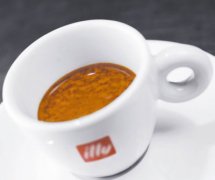
The production of Espresso
Production of Espresso: generally speaking, large coffee beans can produce better coffee. In the case that the quality of coffee beans has been fully assured, the first technical problem to be solved is blending. Blending refers to the selection of coffee beans of different origin and quality to achieve the desired results. The matching technocrat believes that 50% of the success factors of a perfect Espresso depend on the composition of the match.

Coffee roasting degree classification Coffee beans roasting basic knowledge
New England baking: light brown, bean flour dry. American Roast: Medium brown, bean flour dry. Viennese: Medium dark brown with a few drops of coffee fat on the beans. French Roast: Moderately dark brown bean flour with a thin coffee fat. Espresso Roasting: Dark brown, due to baking process

Boutique Coffee Technical terms in Coffee Shop
The term Complexity commonly used in coffee shops refers to the different levels of characteristics that co-exist in the same cup of coffee, with high complexity, indicating that there are many kinds of sensory stimuli that can be sensed; it is important to note that these feelings include the aftertaste and are not necessarily limited to the immediate feelings of drinking. Texture, taste (Body, Mouthfeel) refers to the thick, sticky touch of coffee in the mouth.

The difference between hand-brewed Coffee and Italian Coffee can Italian coffee beans be brewed by hand
Professional coffee knowledge exchange more coffee bean information please follow the coffee workshop (Wechat official account cafe_style) coffee beans hand-brewed coffee: usually a single product of coffee beans as the raw material, roasting degree from light roasting, medium roasting to deep roasting are used. It is usually the degree of baking between the number of the figure below, about 9: 13. Espresso: a coffee shop has an Italian recipe called House Ble

The mocha pot is usually extracted close to the flavor of espresso, or try to experience the difference by changing it to something light and medium-baked?
Professional coffee knowledge exchange more coffee bean information Please pay attention to the coffee workshop (Wechat official account cafe_style) although the mocha pot does not use a very high pressure to pour hot water into the finely ground coffee powder, but strictly speaking, this is not a concentrated extraction, but is closer to dripping, but the coffee made by the mocha pot still has the concentration of Italian coffee Espresso.

Technical terms in coffee shops Coffee tasting terms
Complexity refers to the different levels of characteristics that coexist in the same cup of coffee, with high complexity, indicating that there are many kinds of sensory stimuli that can be sensed. It should be noted that these feelings include the afterrhyme and are not necessarily limited to the present feeling when drinking. Texture, taste (Body, Mouthfeel) refers to the thick, slippery touch of coffee in the mouth, which is about equal to the suspended amount of gum in the coffee.

Processing methods of raw coffee beans
The processing methods of coffee include water washing, semi-washing and natural drying. Different processing methods are adopted according to different regions, climates, types of coffee beans and other factors. Coffee beans processed by different methods will also show different flavors.

Coffee roasting knowledge coffee roaster utensils high-quality coffee raw beans join the roaster
A series of chemical changes occur during the baking process. After about 5-25 minutes of baking (depending on the temperature selected), the green coffee beans lose some humidity and turn yellow. In this process, the coffee beans will swell, changing from a strong, high-density raw bean to a low-density fluffy state. After this process, the size of the coffee beans will about double, starting

Coffee roasting knowledge Coffee roasting degree Classification
New England baking (New England): light brown, dried bean noodles. American baking (American): medium brown, dried bean noodles. Viennese roasting (Viennese): medium dark brown with scattered drops of coffee oil on the bean noodles. French roasting (French): moderate dark brown bean noodles with a thin layer of coffee oil. Espresso baking: dark brown, due to baking process

Classification of coffee roasting degree coffee bean roasting knowledge
New England baking (New England): light brown, dried bean noodles. American baking (American): medium brown, dried bean noodles. Viennese roasting (Viennese): medium dark brown with scattered drops of coffee oil on the bean noodles. French roasting (French): moderate dark brown bean noodles with a thin layer of coffee oil. Espresso baking: dark brown, due to baking process

Professional terms in coffee shops basic knowledge of fine coffee culture
The term Complexity commonly used in coffee shops refers to the different levels of characteristics that coexist in the same cup of coffee, with high complexity, indicating that there are many kinds of sensory stimuli that can be sensed. It is important to note that these feelings include the aftertaste and are not necessarily limited to the present feeling when drinking. Texture, taste (Body, Mouthfeel) refers to the thick, sticky touch of coffee in the mouth.

Introduction to the blending of Italian Coffee with different roasting degrees
The extraction method, such as hand-brewed coffee, which emphasizes the flavor of origin, usually uses medium-to-deep roasting for coffee beans, but for Espresso, non-re-roasting is not enough to reflect the perfection of Espresso taste. The baking degree of most Espresso beans is in the re-baking stage after the peak of the second explosion. On the one hand, the requirement of such baking degree comes from the extraction principle of Espresso, Espresso.
How to divide the roasting degree of coffee beans? Is there a big difference in the flavor of coffee beans in light and deep roasting?
Professional barista communication, please pay attention to coffee workshop (Weixin Official Accounts cafe_style) What kind of roast coffee do you usually drink? Is it light or dark baked? Even the same brand of coffee is characterized by different flavors that can be enjoyed by roasting. Today I'm going to talk about the differences in coffee taste due to roasting. About Roasting Degree Coffee Roasting Degree Change
The production of high-quality coffee learning Espresso is a technical work.
The Espresso boiled at the ideal water temperature is dark reddish brown, and the foam on the surface will have dark brown spots (known as el tigre in Italy), and the foam should be more than 4mm thick. Production of Espresso: generally speaking, large coffee beans can produce better coffee. Under the condition that the quality of coffee beans is fully assured, first of all,

The knowledge of roasting coffee beans what is the reason why coffee roasting is astringent in the roasting skills of coffee?
Raw coffee beans themselves do not have any coffee aroma, only after baking, you can smell the strong aroma of coffee. So the roasting of coffee beans is the transformation process of the internal components of coffee beans, only after roasting to produce ingredients that can release the aroma of coffee, we can smell the aroma of coffee. But in the roasting process of coffee beans, the change in composition is ten.
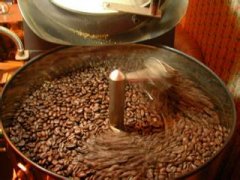
Coffee roasting degree classification traditional American defined roasting pattern name
New England baking (New England): light brown, dried bean noodles. American baking (American): medium brown, dried bean noodles. Viennese roasting (Viennese): medium dark brown with scattered drops of coffee oil on the bean noodles. French roasting (French): moderate dark brown bean noodles with a thin layer of coffee oil. Espresso baking: dark brown, due to baking process

The difference between coffee beans and espresso beans the deeper the espresso beans are roasted, the better?
In the coffee we drink, are the coffee beans the same? is there still any difference? the hand-brewed coffee we drink is fine coffee beans, and so is the espresso? Yes, there is a difference between coffee beans and espresso beans! They're not the same thing! To make espresso, you can use any coffee beans you like. After all, espresso is just another brewing method. But this
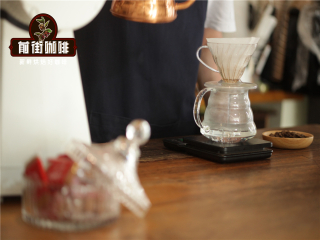
What is the difference between the flavor of hand-brewed coffee and siphon pot coffee in the post-espresso era?
With today's third wave of coffee, coupled with COE cup tests and SCAA competitions in Central and South America and Africa, it has led to the popularity of hand-brewed and siphon-brewed coffee, because rare beans of national treasure should be boiled slowly, without sugar or milk, in order to appreciate the charming taste spectrum bred by the earth.
Coffee basic knowledge Coffee roasting degree Classification
New England baking (New England): light brown, dried bean noodles. American baking (American): medium brown, dried bean noodles. Viennese roasting (Viennese): medium dark brown with scattered drops of coffee oil on the bean noodles. French roasting (French): moderate dark brown bean noodles with a thin layer of coffee oil. Espresso baking: dark brown, due to baking process